How To Use a Sentence Expander Without Losing Clarity or Tone
If you have ever written anything in your life, this article is for you. You probably remember the moments during your writing in which you needed help. But not help with the writing itself. The help you needed was to expand on something you’re saying. That’s where a sentence expander tool comes in, as they’re becoming part of everyday writing.
- Students use them to add depth to assignments and meet word count requirements without having to start over.
- Content writers use them to improve flow and make their blog post ideas feel more complete.
- Copywriters use them to add clarity and persuasion without rewriting entire sections allowing them to continue writing.
But there is a problem that shows up fast.
When people use the expander without intention, clarity begins to fade, and tone shifts in ways they did not intend. Sentences become longer, but they do not become better. The writing feels stretched instead of refined.
You have probably read content like this before:
- Everything sounds “correct,” but nothing sounds human.
- The voice feels off.
- The message feels heavier than it should.
This article shows you how to use it the right way, so your writing stays clear, natural, and true to your voice.
No fluff.
No robotic phrasing.
Just practical guidance that works.
What a sentence expander actually does (And what it should never do)
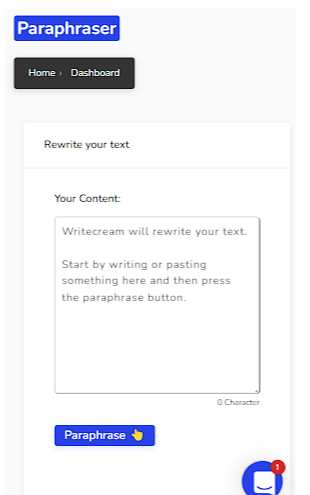
At its core, the expander takes a short sentence and adds more detail, context, or explanation without changing the original meaning or reducing relevant information. That sounds simple, but the intention behind the expansion is what matters most.
- A good expander helps the reader understand why something matters or how it works.
- A bad expander simply adds extra words that do not add value.
Here is a clear example.
Original sentence: “This tool improves writing quality.”
Poor expansion: “This tool improves writing quality in a wide variety of different situations and writing scenarios.”
Better expansion: “This tool improves writing quality by making ideas clearer, smoother, and easier for readers to follow.”
The second version explains the benefit instead of inflating the sentence. The expander should support understanding, not test patience.
Using expanders is a powerful method to achieve your writing goal. But without intent, they often turn clear ideas into bloated explanations.
Project management example
For example, in project management and artificial intelligence, AI helps managers expand brief task notes into detailed requirements while preserving the priority and tone.
The key is to expand the same way professionals use AI in real workflows. When applied thoughtfully, the AI sentence expander works in a very similar way. It’ll add clarity and context without diluting the original message, allowing you to continue writing in peace.
Why writers lose clarity when using it
 (Image Source: Instagram)
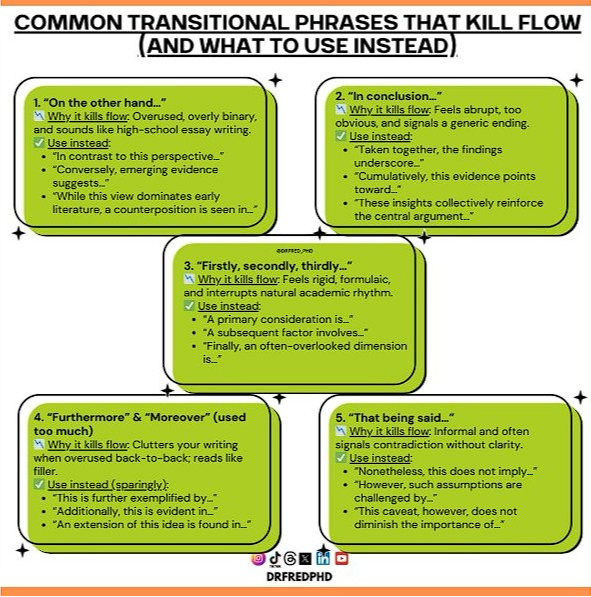
Clarity problems rarely come from the tool itself. They come from how people use it.
The most common mistake is expanding a sentence with an AI sentence expander tool without first understanding its purpose inside the paragraph. Every sentence exists for a reason.
It either explains an idea, connects two ideas, or persuades the reader to think differently. If you expand without knowing which role the sentence plays, the tone becomes unstable.
Another issue is expanding too much, too often.
Content creators and writers sometimes assume that longer writing automatically sounds smarter or more professional, and that it’s considered creative writing. In reality, clarity almost always wins over length.
The AI sentence expander tool should clarify thinking, not cover up uncertainty.
When is it helpful (And when it hurts your writing)
The expander is powerful when used at the right moment.
It works best when a sentence feels incomplete, abrupt, or underdeveloped, even though the core idea is strong. Besides, it’s especially helpful for transitions, explanations, and examples that need just a bit more depth.
Some of the best situations to use an expander tool include:
- When an idea feels rushed
- When a point needs a short explanation
- When the tone feels flat or mechanical
- When a transition feels abrupt
However, not every sentence needs expansion.
Using the expander tool on already clear sentences usually creates redundancy, while using it repeatedly in the same paragraph often leads to bloated writing.
In academic settings, this matters even more.
Instructors can usually tell when length was prioritized over clarity. Clear reasoning always shows, regardless of word count.
How does it work in practice?
When it comes to expanding your message without losing clarity or tone, a good CRM can make all the difference. Dynamics 365 is a powerful CRM that not only helps streamline customer relationships but also enables businesses to manage and communicate their pricing strategies more effectively.
Just like using an expander to add detail while maintaining clarity, Dynamics 365 helps companies integrate complex pricing models, such as custom discounts, tiered options, and promotions, without overwhelming customers.
By checking Dynamics 365 pricing to choose the best option for you, businesses can find a solution that fits their needs, ensuring that all expanded pricing details are communicated clearly and consistently, ultimately providing the best customer experience.
How to expand a sentence without changing its meaning
The safest way to use this tool is to stay inside the original idea and resist the urge to introduce new opinions or directions. Expansion should explain, not evolve.
A simple rule helps here:
Expand the why or how, not the what.
Example:
Original sentence: “Clear introductions keep readers engaged.”
Risky expansion: “Clear introductions keep readers engaged, which is why writers should always focus more on introductions than conclusions.”
That adds opinion and shifts direction.
Better expansion: “Clear introductions keep readers engaged by setting expectations and helping readers understand what the content will deliver.”
The idea stays the same, and clarity improves.
As you already know, an expander tool is great for softening the blow of a difficult message or ensuring a professional tone. However, you should use it with extreme caution when drafting a written notice to vacate.
In these documents, every expanded sentence must still clearly state the “Who, When, and Why” of the situation. For example, if the tool expands “You need to move out” into a three-paragraph explanation of lease terms, you must ensure the specific move-out date and the reason for the notice remain prominent and unambiguous.
If the expansion adds unnecessary adjectives or circular reasoning, it can lead to disputes or misunderstandings regarding the legal timeline.
That is exactly how the expander tool should work.
How to preserve tone
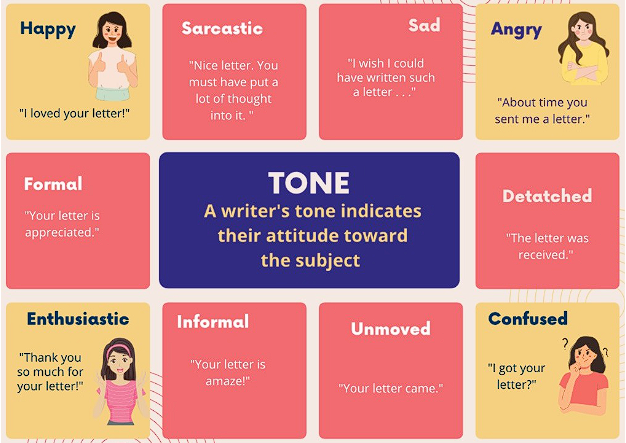
Tone is one of the easiest things to lose when expanding sentences.
One extra word can make friendly writing feel corporate, while a formal phrase can drain personality from an otherwise natural paragraph.
To preserve tone, your expansion must match the original sentence in three ways:
- Vocabulary level
- Sentence rhythm
- Emotional weight
If your writing sounds casual and conversational, the expansion should sound the same. Yet, if your writing is academic or instructional, the expansion should respect that tone.
For example:
Original tone: “This tool saves time.”
Good expansion: “This tool saves time by reducing repetitive tasks and speeding up the writing process.”
Tone-breaking expansion: “This tool facilitates temporal efficiency through automated content enhancement mechanisms.”
That second version technically expands the sentence, but it completely changes how it feels.
HubSpot research showed that a consistent brand voice tone helped them increase reader trust and engagement by 84% in six months.
The expander tool should sound like you, not like a system message.
Practical examples that work
Let’s look at real-world examples across different writing types.
Student writing example
Here’s how students use it:
Original sentence: “Online learning affects student performance.”
Expanded version: “Online learning affects student performance by changing how students manage time, stay motivated, and interact with instructors.”
The idea stays focused, while the explanation adds clarity.
Content writing example
Content writing professionals use it this way:
Original sentence: “Clear structure improves readability.”
Expanded version: “Clear structure improves readability by helping readers scan content quickly, understand key points faster, and stay engaged longer.”
This adds depth without clutter.
Copywriting example
Copywriters need to pay attention to everything, and here’s how they do it:
Original sentence: “This software helps teams collaborate.”
Expanded version: “This software helps teams collaborate by centralizing communication, reducing unnecessary meetings, and keeping everyone aligned.”
Each expansion explains value, not hype.
How long should an expanded sentence should be
Sentence length matters more than most people think.
Expanded sentences usually work best when they stay between 20 and 30 words, especially in digital content. Beyond that, comprehension begins to drop unless you carefully structure the sentence.
Readability Formula’s research shows that the adult demographic needs around 70% of mental effort to read and understand text.
This does not mean long sentences are bad. It means they require intention and structure.
If your expanded sentence feels heavy, it is usually better to split it into two.
Using it for SEO without ruining the flow
Many writers use expanders or other AI tools to add SEO depth to articles.
That can help, but only if done carefully.
Bad SEO expansion often repeats keywords rather than expanding their meaning, making the writing feel forced and unnatural.
Google’s Helpful Content guidelines clearly state that content should be written for people first, not for search engines.
The right approach is simple.
- Use the keyword naturally.
- Expand explanation, not repetition.
- Let clarity do the ranking work.
An expander tool should strengthen content quality, not inflate keyword density.
Editing is not optional after using the sentence expander tool
Don’t skip this part.
Expander tool helps generate material, but editing is what makes it readable.
After expanding a sentence, always ask yourself:
- Does this still say exactly what I meant?
- Did the tone stay consistent?
- Can I remove one word without losing meaning?
If you can, remove it.
Expansion creates raw material, but editing turns it into writing.
Once you have used an expander tool to add depth and nuance to your blog post draft, the final step is to ensure clarity preservation during delivery. Many writers overlook how different software versions can shift text, create awkward line breaks, or ruin the rhythm of an expanded paragraph.
To maintain complete control over your document’s appearance, the best practice is to convert your final Word to PDF before sharing. Utilizing a reliable converter ensures that the sophisticated tone and precise formatting you’ve developed stay exactly as intended, regardless of the recipient’s operating system.
Common mistakes and pitfalls that hurt writing
These mistakes show up again and again:
- Expanding every sentence
- Adding abstract filler phrases
- Using complex words to sound smarter
- Repeating the same idea in different ways
- Ignoring paragraph rhythm
A sentence expander is a precision tool, and using it everywhere reduces its impact.
Good writing still relies on contrast between short sentences and expanded ones.
Best daily practices
If you want simple rules that always work, follow these:
- Expand only sentences that feel weak
- Keep one clear idea per sentence
- Match tone exactly
- Edit immediately after expansion
- Read the sentence out loud
If it sounds natural when spoken, it usually works on the page.
But if it feels awkward out loud, it needs trimming.
That test never fails.
Wrapping up
A sentence expander does not make someone a better writer. What it does is it amplifies whatever skill is already there. Strong writers use sentence expanders to clarify and enrich ideas, while weak ones use them to hide unclear thinking.
If meaning comes first, expansion will always feel natural. Yet, if length comes first, the quality will suffer.
Use a sentence expander as a writing assistant, not a replacement for judgment.
Your clarity, tone, and voice should always lead.