Have you ever come across product-led content and concluded the writer had no experience using that product because of how generic their recommendations were?
And then there is a weekly email newsletter you receive from a random LinkedIn guy you subscribed to. The content? Mindblowing with detailed, to-the-core actionable insights that show actual expertise and hands-on experience.
The latter is what your audience needs.
Search engines prioritize solution content, too, and that’s why Google rolled out the E-E-A-T for Web Visibility requirement. The more your content aligns with these four criteria, the more likely it’ll rank, get shared, and earn trust.
In this article, we’ll explain what these criteria are, why they’re not sitting at the top of the discussion for most brands, and how to use all four.
What are the components of E-E-A-T?
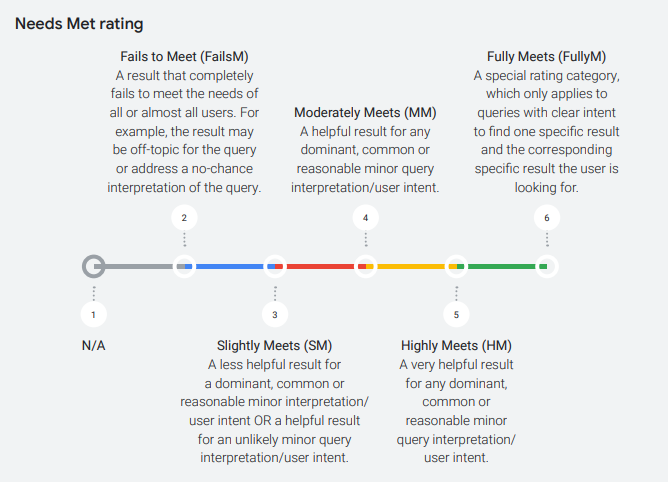
E-E-A-T refers to experience, expertise, authoritativeness, and trustworthiness. They make up the pillars of Google’s Search Rater Quality Guidelines and help raters decide if your content meets the needs of a user.
-
Experience
Samuel Charmetant, Founder of ArtMajeur says,: “Experience is evidence that you’ve actually done what you’re writing about. You’ve used the product, conducted the experiment, solved the problem, or shipped the feature. It’s the difference between a fashion standard written by someone who’s tried everything from customized apparel to nostalgic trends dozens of times and a summary stitched together from other blogs. You need to show your process, share your failures alongside successes, and let readers see the journey.”
-
Expertise
Expertise is about formal knowledge, credentials, and a proven track record. In Your Money or Your Life (YMYL) categories like health and finance, you need subject matter experts writing or at least reviewing it, and you need to show that clearly with bylines, reviewer notes, and references. Google’s documentation consistently pushes creators to answer who wrote it, how it was created, and why.
-
Authoritativeness
Andrew Bates, COO at Bates Electric, for which he has built industry authority, says, “Authority is what the web thinks of you. If your page claims to provide reliable electrical services, do credible sites cite your work? Do recognized experts reference your results? Are you present at industry events, in journals, or on podcasts? You build authority through open mentions, links, quality deliveries, and reputation. It’s slow and steady, but pays off.
-
Trustworthiness
Trust is what holds everything together. Clear sourcing, accurate facts, transparent editorial standards, secure pages, and real contact info tell your readers and search engines that you’re credible enough. The rater guidelines repeatedly highlight this, especially for YMYL and legal categories.
3 reasons why brands overlook E-E-A-T
Experience, Expertise, Authority, and Trustworthiness are buzz topics, but they are not as hyped as building backlinks or developing a mobile-friendly page. Here’s why:
-
Time to results
First, E-E-A-T isn’t a hack. You need to invest in experts, editorial review, and a durable brand. These steps take time and don’t fit neatly into a “we need results this month” mindset or a short-term content strategy focused only on quick wins.
-
It feels a little confusing at first
Second, E-E-A-T can feel abstract. Page speed and title tags, among other SEO tactics, are easier to talk about than trust or authority, even though the latter two influence more of how real humans respond to your content.
-
Content noise due to unregulated AI use
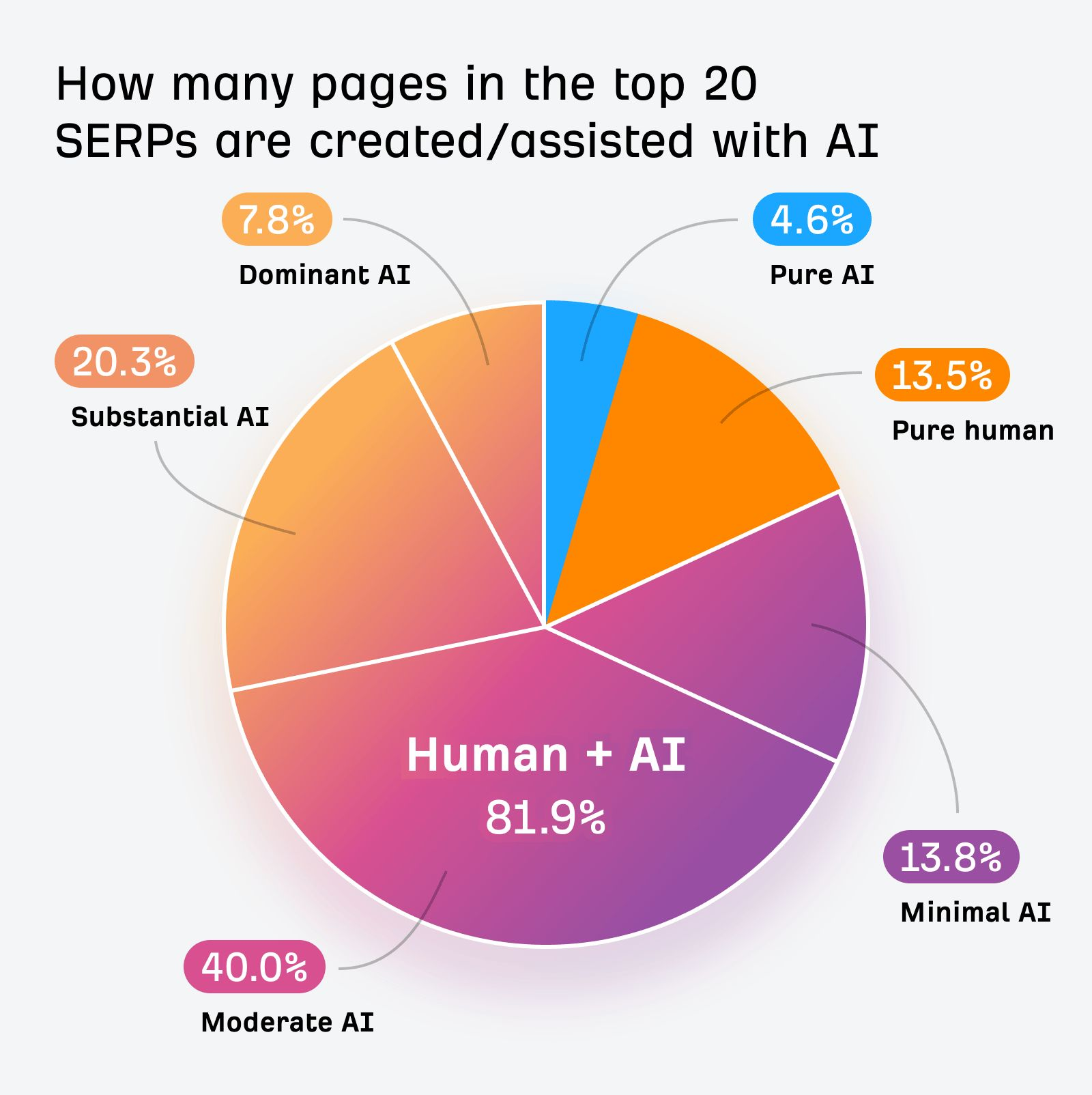
Roughly over 86.5% of top pages contain AI-generated content. Some use it well, some don’t. This results in a flood of poorly optimized AI-generated content that creates noise. When everyone can publish, authenticity becomes harder to signal and easier to fake, at least on the surface. Google’s stance on AI content is that it focuses on original, helpful, people-first content, regardless of how it’s produced.
6 Best practices to implement E-E-A-T in 2026
E-E-A-T is not rocket science, and you can change your entire content outcome by implementing it. Let’s discuss how you can do that:
-
Put your experts in the spotlight
A name without a face is a major red flag for modern readers who are tired of faceless advice. You need to prove that your writers have actual successes to back up their claims. This transforms a basic article into a trusted consultation, making verified expertise your most valuable asset.
For instance, let’s say you ship problem-solving systems like a vertical lift module that helps businesses manage product storage and retrieval. You are in a better position to provide information or insights on best practices, common pitfalls, and practical usage compared to a generalist writer who has no idea how your solution works.
When readers see you’re the writer or at least reviewed the final content, that provides a form of mental assurance.
Here’s how to do that:
- Match your most technical topics to authors with verifiable industry credentials
- Build comprehensive author bios that link to LinkedIn or professional portfolios
- Use formal reviewers for high-stakes issues like health or finance to add a layer of safety
You can also feature a clear editorial policy that explains exactly how you vet information.
An example of a brand doing this well is Healthline. They include the writer’s name, credentials, and the reviewers in the author’s bio.

-
Show the “Who, How, and Why”
Transparency is the new currency of the internet because readers are becoming hyper-aware of AI-generated fluff. According to Bynder’s study, 50% can spot AI-generated copy, and 52% say they will become less engaged once noticed.
Before it gets to that point, explain your process and disclose how you used technology. This helps you eliminate the uncanny valley feeling that makes people distrust digital content. If you didn’t use AI, also disclose.
- Name every creator involved in the production of a piece
- Disclose if AI helped you brainstorm or structure your initial outline
- Explain the specific reason behind your chosen approach or testing method, if necessary
For readers who need more information, embed a clear link to your internal standards for creating helpful, people-first content.
-
Document real-world experience
Adrian Iorga, Founder & President at Stairhopper Movers, where he coordinates relocation service, says, “Experience is what separates winning content from losing content in 2026 because it is the hardest thing for AI to fake. Anyone can summarize a product manual, but only someone who actually used the tool or interacted with customers can tell you where it fails in a real-world setting.”
“For instance, we have executed thousands of relocations in the past years. Each delivery is an experience, and with them, we can tell a more valuable story than someone who has no experience in the industry.”
If you have hands-on experience on the topic you’re publishing, bring it in.
- Include your raw data and mistakes to prove you were actually in the room
- Replace generic stock images with original photos and screenshots of your process
- Mention what did not work to make your success stories more believable
You can benchmark your experience and results against industry standards to enhance credibility and trustworthiness. And if you lack experience in the field, you can peer-review the draft with someone who does.
-
Cite primary sources
Trust is fragile, and using outdated data is the fastest way to break it for good. If you cite a statistic from five years ago, a reader will immediately wonder what else you got wrong in your analysis. Linking to primary research and official bodies demonstrates that you respect the facts enough to trace them to their sources, turning your site into a reliable hub rather than a game of digital telephone.
- Reference primary research and academic papers instead of secondary blog posts
- Link to official standards bodies and government documentation for technical claims
- Refresh your references every few months to ensure they are still accurate
Most importantly, remove any outdated claims that could mislead a reader or erode your credibility.
Matthew Thompson, Founder at OwnerWebs, where he helps people build search-ready rental sites, says, “Search engines look at the entire web to see what people say about you when you are not in the room. If no one else in your industry mentions your name, your on-page claims of expertise carry much less weight. This external validation acts like a referral from a friend, and it tells both users and algorithms that your insights are or are not valuable enough to be shared by other reputable sources.”
To build authority, do these:
- Contribute expert commentary to reputable news outlets and industry journals
- Publish original research that gives other creators a reason to cite your work
- Engage in industry conversations on social platforms where your peers hang out
A green approach is to earn mentions from sites with high trust scores in your niche.
-
Keep the lights on and the site safe
Technical trust is the psychological foundation that must exist before a reader will follow your advice. If your site feels broken or looks like a scam, your high-quality insights will be ignored entirely.
That’s why you need to provide a secure and updated site that ensures user safety and needs before they come in to buy a product, sign up for a newsletter, or trust your brand with their time.
Here’s how to do that:
- Ensure HTTPS is active and consistent across every single page
- Make your contact information and physical address incredibly easy to find
- Add “Last Updated” dates so readers know the information is still fresh
In addition, add a public change log for significant updates to show transparency and accountability
Conclusion
Experience, expertise, authoritativeness, and trustworthiness are non-negotiable criteria if you want to scale your content amidst the noise online. Start by ensuring your writers are experts in the subject matter, or bring in experts to review the draft and indicate it before the content goes live.
Show who wrote what, how, why, and even the people editing it. Document and include real-world and practical how-tos, cite accurate and primary report sources, and build authority off-page through events, mentions, and podcasts.
Lastly, design your page to look professional and keep it secure with HTTPS and other data privacy guardrails. This is essential to boost readers’ trust.