

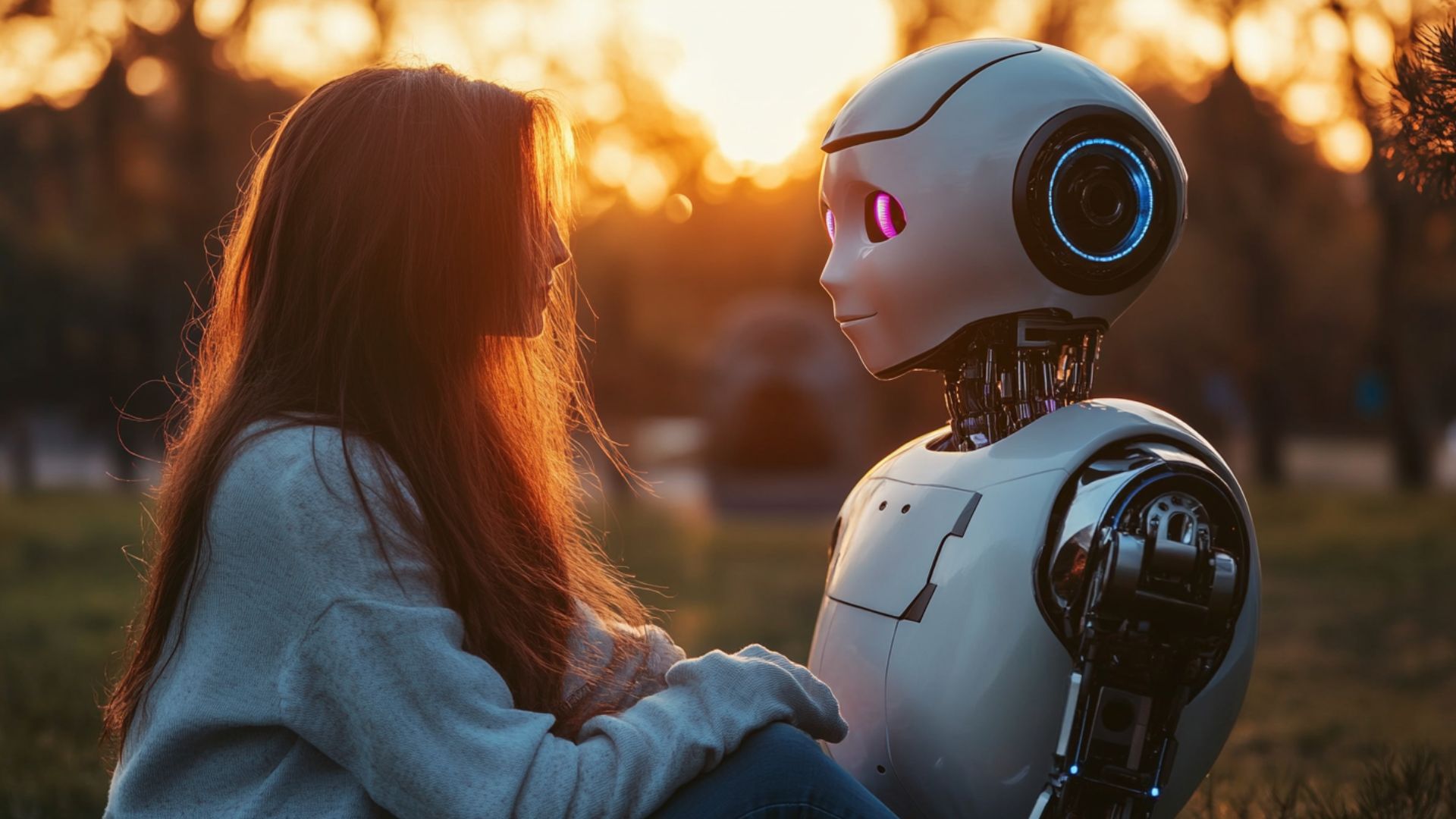
There is something deeply human about being heard.
Sometimes, we do not look for advice or solutions. We simply want someone to listen. A friend who understands. A family member who notices something is wrong. A therapist who helps us make sense of our thoughts.
Today, Artificial Intelligence is beginning to play a small role in those conversations.
Millions of people are using AI chatbots to journal their thoughts, manage stress, seek emotional support, or simply have someone to talk to. AI is becoming more than a productivity tool; it is also becoming a companion for many people.
But this raises an important question.
Can something that does not feel emotions truly help someone who does?
AI can understand patterns in language, recognise signs of stress, and respond with empathy-like words. Yet, it does not experience sadness, happiness, fear, or hope.
So, where does AI fit into the future of mental health?
Why More People Are Turning to AI for Emotional Support
The discussion about AI and mental health has been increasing a lot in recent years.
People are choosing AI-powered mental health tools for many different reasons.
Some people find it easier to talk to AI because:
It is available 24/7.
There is no fear of being judged.
Your conversations stay private and are only kept on your device or the platform you're using, depending on the service.
Responses are instant.
Whether someone is feeling nervous before an interview or really stressed after a tough day, AI provides instant conversation.
For many users, having that accessibility feels really reassuring.
How AI Is Supporting Mental Well-Being
Modern AI tools for mental health are made to help people take care of their emotions in various ways.
They can help users:
Practice mindfulness exercises.
Maintain gratitude journals.
Track mood patterns.
Suggest breathing techniques.
Encourage healthy routines.
Provide stress management tips.
Some platforms also help users see how their emotions change as time goes on.
This makes AI a helpful friend for thinking about yourself and staying mentally healthy every day.
Support is not the same as treatment, and knowing this difference is really important.
Can AI Truly Understand Human Emotions?
This might be the most important question in the conversation.
AI can recognise emotional language.
If someone says, "I'm feeling tired and really down," AI can spot those words and reply in a helpful way.
But knowing something is not the same as truly getting it.
AI does not experience emotions.
It has never felt loss, never celebrated success, never worried about the future, and never had personal relationships.
Its answers come from patterns it has learned from data, not from real-life experiences.
That's why many experts say AI looks emotionally smart but isn't really in touch with real emotions.
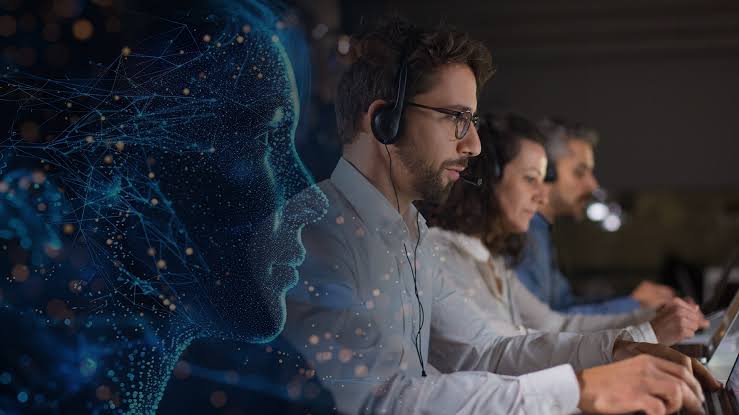
What Makes Human Connection Different?
Human conversations involve much more than words.
People notice:
Tone of voice
Facial expressions
Silence
Body language
Emotional history
A therapist or someone you trust, like a close friend, often knows how you feel even when you don’t say it out loud.
AI cannot fully replace these human qualities.
Empathy is not just about saying the right words.
It means really trying to understand how someone else feels by connecting with them in a real and honest way.
That is still one of the best things about how people connect with each other.
Where AI Can Make Mental Health Support More Accessible
One of the biggest advantages of AI is accessibility.
Mental health professionals are not always available immediately.
Many people also face challenges such as:
- High consultation costs
- Long waiting periods
- Limited access in rural areas
- Social stigma around seeking help
AI cannot solve all these challenges, but it can reduce some barriers.
It can provide basic emotional support, educational resources, and coping techniques while encouraging users to seek professional help when needed.
This makes AI an important addition to the broader mental health ecosystem.
The Limitations of AI in Mental Health
Even though AI has a lot of advantages, it also has some clear drawbacks.
AI may:
Misinterpret emotional context.
Generate inaccurate responses.
Miss signs of severe mental health conditions.
Lack understanding of complex personal situations.
Most importantly, AI can't be responsible for taking care of someone.
Mental health issues usually need professional knowledge, continuous evaluation, and thoughtful decision-making by a person.
AI should never take the place of trained mental health experts when it comes to diagnosing or providing treatment.
Instead, it should be seen as a helpful tool.
Can AI Replace Therapists?
This is a question that many people often ask.
The simple answer is no.
Therapists provide far more than conversation.
They offer:
Clinical assessment
Emotional guidance
Personalised treatment
Ethical responsibility
Long-term therapeutic relationships
AI cannot replace these professional responsibilities.
However, AI can support therapy by helping users:
Record daily thoughts
Practice coping strategies
Reflect between therapy sessions
Stay consistent with healthy habits
In this way, AI acts as a helpful helper instead of taking someone's place.
Finding the Right Balance Between AI and Human Care
The future of AI in mental health care won't be about picking one approach over another.
Instead, it will involve collaboration.
A balanced approach might look like this:
Use AI for daily emotional check-ins.
Use AI to build healthy routines.
Speak with trusted friends and family.
If you're having trouble with your emotions and it's not going away, it's a good idea to talk to a professional.
Technology works best when it helps people take care of each other instead of taking their place.
The Future of AI and Emotional Well-Being
Artificial Intelligence will keep getting better and more sophisticated over time.
Future AI systems could offer more tailored conversations, better tracking of moods, and stronger emotional support.
Even as technology keeps changing, the value of real human connections will probably stay the same.
People seek more than answers.
They seek understanding, trust, compassion, and connection.
Those are experiences built through human relationships.
AI can help them, but it can't really feel what they feel.
Final Thoughts
AI is playing a bigger role in discussions about mental health. It can listen patiently. It can respond thoughtfully. It can help people develop better habits and make it easier to get emotional support when needed. But there is an important distinction.
AI can recognise emotions. It cannot feel them. Maybe that's exactly where its role should stay. Not to replace human connection, but to help support it. When someone is having a hard time, technology can offer help and direction. But it is usually another person who gives hope.
In the future, the best mental health support might not be about picking between AI and humans. It could be because of combining the best parts of both.
Join Writecream for FREE!
In a few clicks and under 30 seconds, generate cold emails, blog articles, LinkedIn messages, YouTube videos, and more — no credit card required.
Start for FREE