A content engine isn’t a machine that runs itself. Not at the start.
In the early cycles, it’s messy. Ideas don’t connect cleanly. The distribution feels uneven. Analytics sit there without telling you what to do next. You’re stitching pieces together manually and hoping the loop starts to tighten.
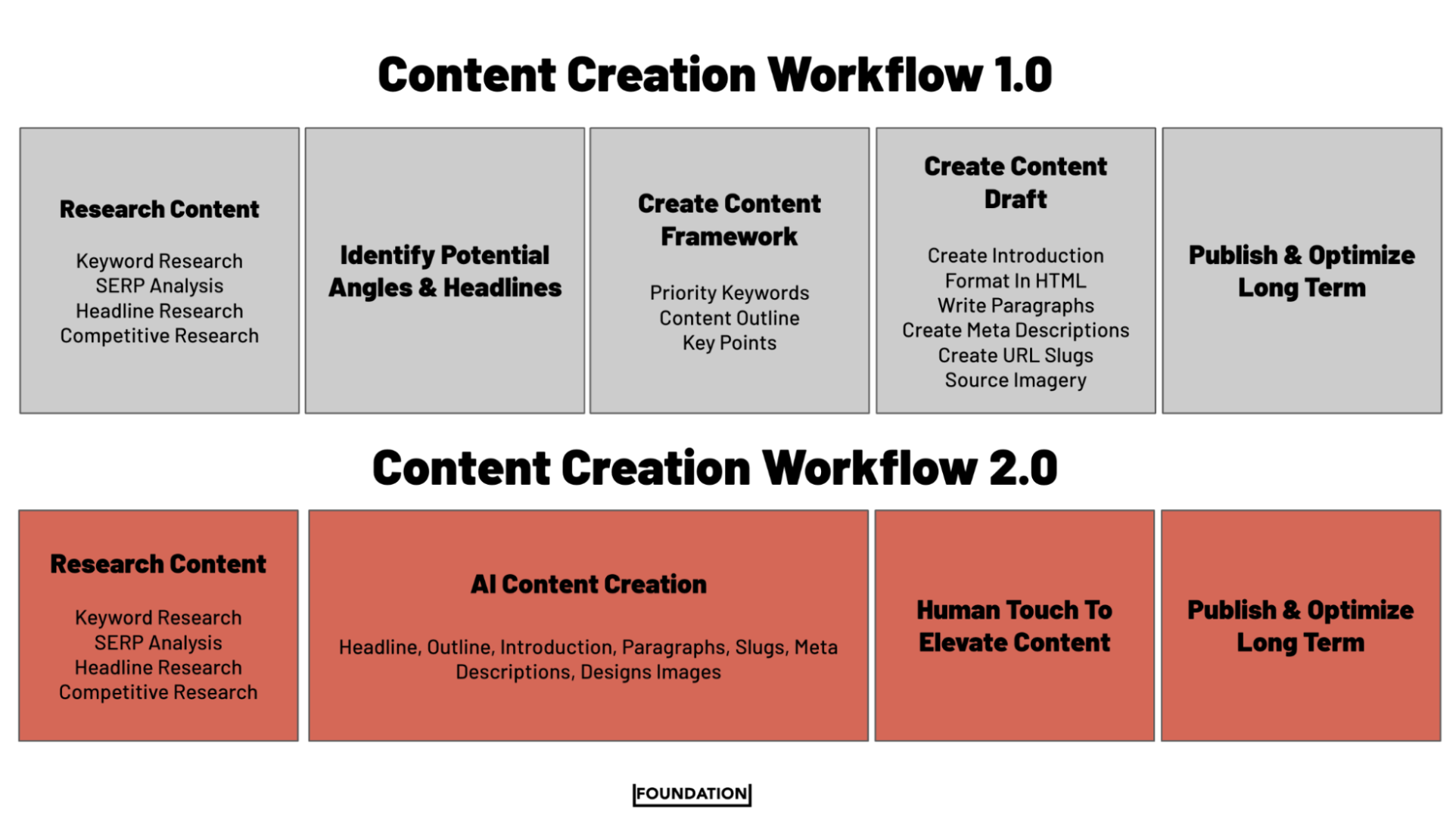
AI helps most in the middle.
It gets you from zero to draft, repurposes a webinar into five usable formats, and fills in gaps when you’re stuck. But it doesn’t decide what’s worth publishing or why. That part still sits with you.
And that’s where most setups fall apart.
The upside is real. McKinsey puts the potential value of generative AI at $2.6–$4.4 trillion annually, with $400–$660 billion tied to marketing and sales. Most of that comes from content velocity, personalization, and operational efficiency.
Understanding AI Tools For Content Creation
At a minimum, you’re working with:
- A foundation model for writing and ideation
- A workflow tool for formatting and production
- A few utilities for editing and QA
That’s it.
Tools like GPT-based systems or Claude handle thinking and drafting. Platforms like Writecream, Jasper, or Copy.ai package that into usable workflows. They shorten the gap between idea and first draft, which is where most teams stall.
The useful part is variation. You can take one idea and quickly test:
- A contrarian angle
- A comparison format
- A story-led version
- A short-form breakdown
That matters more than pumping out volume.
Setting Up Your Content Strategy
Don’t start generating drafts before you’ve decided what role content is supposed to play. So everything ends up generic, informational, broad, and disconnected from outcomes.
You need one clear anchor: What is this content supposed to do?
- Shorten a sales cycle?
- Drive trial signups?
- Build authority in a niche you don’t yet own?
Pick one. Then work backward.
Use audience data that actually reflects behavior. Social listening tools show what your audience pays attention to. CRM and site data show what they act on.
Those two don’t always match.
Kashif Ali, Growth Specialist at PsychologySchoolGuide.net, works with users navigating degree choices where timelines, costs, and career outcomes aren’t always clear upfront.
He explains, “We’d see strong traffic on broad terms, but people would drop off when they couldn’t connect that information to a real decision.
The shift happened when we stopped optimizing around the keyword and started building around the actual decision points, things like ‘Is this degree worth the time?’ or ‘What does this path look like after year one?’ Once the content answered those, engagement and conversions moved together.”
That gap is where most good content ideas come from.
Keyword tools still matter, but not as a list to chase. Use them to cluster topics into themes you can build around. Then layer in trend signals from Google Trends or Exploding Topics to catch movement early.
Creating High-Quality Content With AI
Give AI a structured brief, with an objective, audience, key points, tone, and you’ll get something usable in minutes.
But the real work is the editing.
This is where you either:
- Turn it into something specific and credible
- Or leave it sounding like everyone else
What changes the output:
- Real examples from your own campaigns
- Actual user behavior or data points
- Screenshots, workflows, edge cases
That level of specificity is what makes content usable. In healthcare, especially, people aren’t looking for general explanations, they’re trying to understand real options and outcomes.
For example, resources around trt online often work best when they walk through actual scenarios rather than abstract benefits.
Without that, it stays surface-level.
Christopher Skoropada, CEO of Appsvio, builds workflow systems where clarity directly impacts whether teams adopt or abandon a process.
He notes, “AI can generate something that looks complete, but it usually misses the operational detail. The difference is in the specifics, what actually happens step by step. When we add that layer, the content stops being generic and starts being usable.”
AI can suggest angles you wouldn’t think of. It can expand a thin idea into something structured. It can reframe content for different channels.
But it can’t tell you what matters.
You have to decide what’s worth keeping.
Proofreading tools help clean things up, but they don’t fix weak thinking. You still need to check facts, validate sources, and remove anything that sounds confident but isn’t backed by anything real.
That step gets skipped more often than it should.
Automating Content Scheduling And Distribution
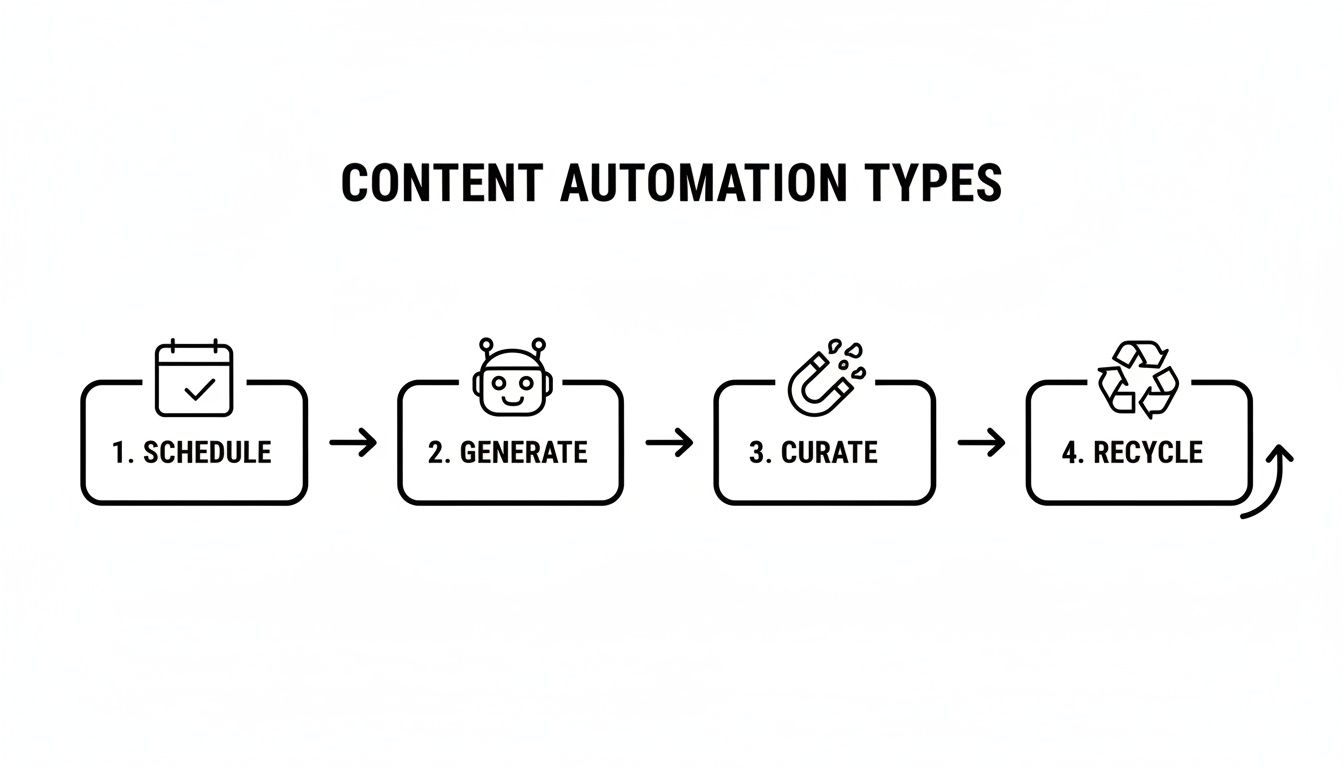
Once content is ready, automation actually does save time.
Scheduling tools handle the obvious part. Queueing posts, keeping channels active, and reducing manual work.
The part people underestimate is timing.
Conrad Wang, Managing Director at EnableU, works with organizations where timing and context directly affect engagement outcomes.
He says, “We’ve seen the same message perform completely differently depending on when and where it’s delivered. Automation helps with consistency, but the real gains come from matching distribution to how people actually consume information in their day-to-day work.”
Generic best time to post advice works until it doesn’t. Your audience doesn’t behave like an average dataset.
You’ll see it quickly:
- Certain emails consistently open late at night
- Specific posts only get traction mid-week
- Some formats perform better on weekends
AI can pick up on those patterns faster than you can manually track them, only if you give it clean data.
Use UTM parameters consistently. Track where traffic actually converts, not just where it comes from. Tie distribution back to outcomes.
How to Apply Feedback And Iteration
This is the part that turns a system into an engine.
Without feedback, you’re just producing content in cycles. With feedback, the system starts adjusting itself.
In GA4, don’t just look at traffic. Look at:
- Engagement time
- Scroll depth
- Conversion events
A post that gets traffic but no engagement is a distribution win and a content loss.
On social, ignore surface metrics. Likes don’t tell you much. Saves, shares, and meaningful comments do.
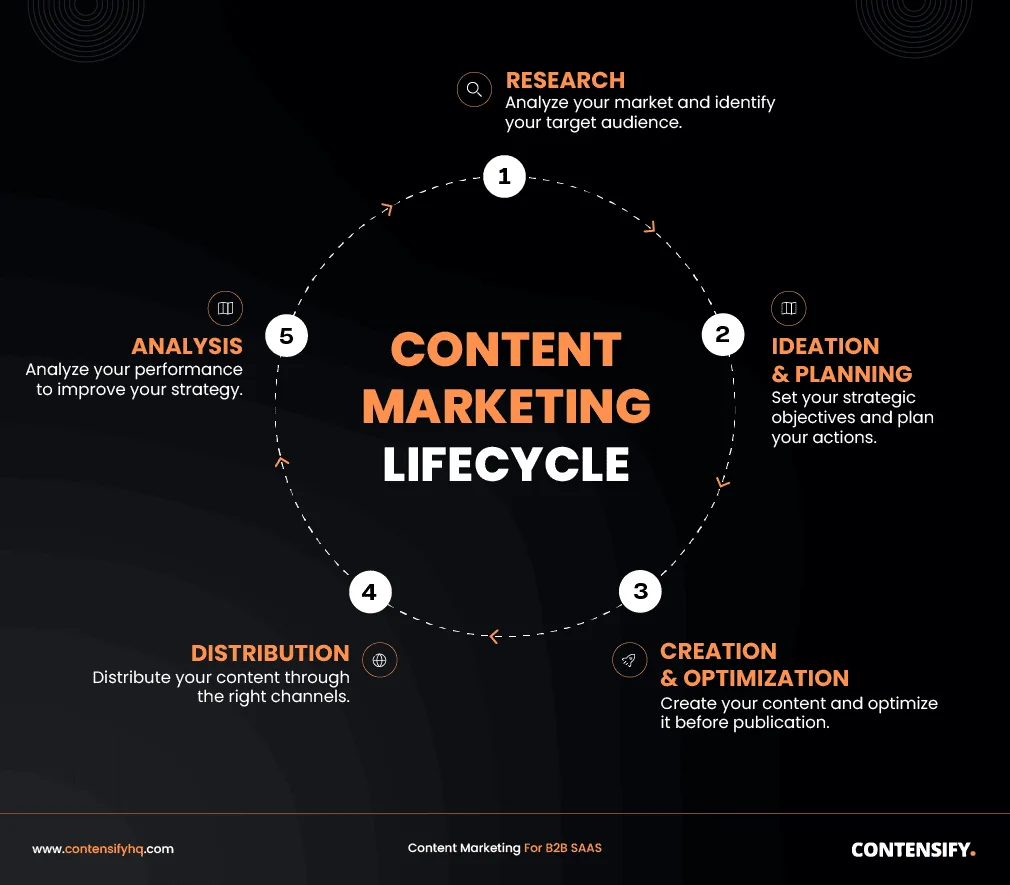
Patterns show up faster than expected.
Wade O’Shea, Founder of BusCharter.com.au, runs a service where demand varies based on group size, timing, and logistical constraints.
He explains, “Most of what we publish comes directly from enquiries. People ask about edge cases, multi-stop trips, last-minute changes, pricing differences, and those don’t show up in keyword tools. When the same situation comes up a few times, we turn it into content. That way, the next person doesn’t need to ask. It shortens the cycle on both sides.”
A niche topic suddenly performs well. A format you didn’t prioritize starts getting traction. A long-form piece gets read but doesn’t convert.
Each of those is a signal.
The useful move isn’t to note it, it’s to act on it immediately.
- Turn a high-performing post into multiple formats.
- Rewrite underperforming sections instead of abandoning the piece.
- Test different CTAs against the same content.
Challenges And Best Practices In AI-Driven Content
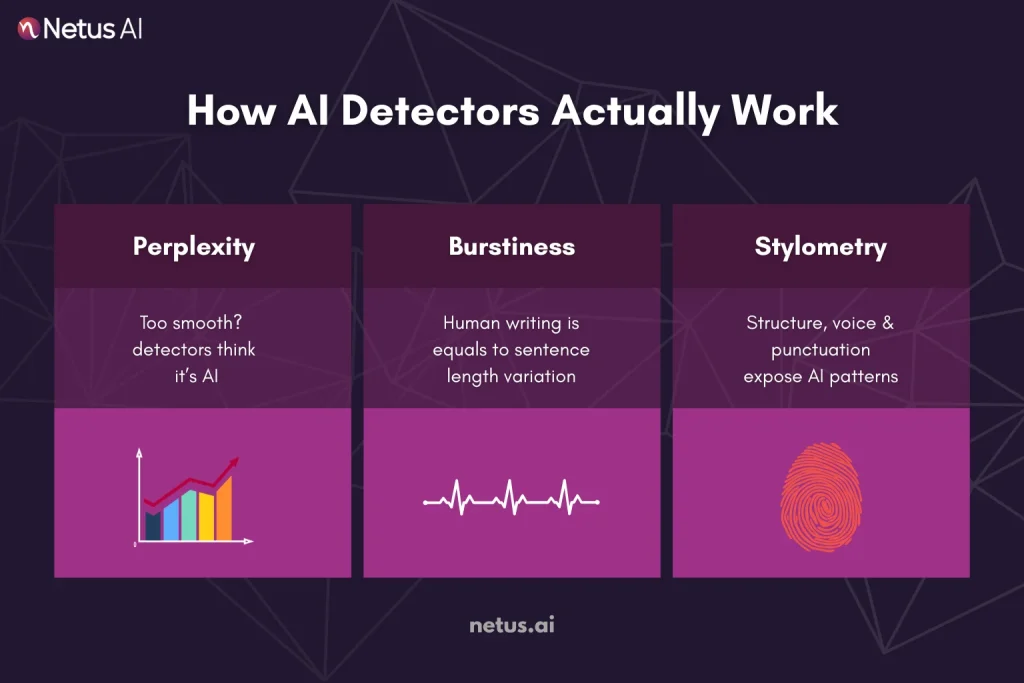
AI drifts toward generic phrasing, repetition, and safe, predictable structures.
Left unchecked, everything starts sounding the same. That’s the real risk. Not accuracy. Not speed.
Gregor Emmian, Deputy Chief Digital Growth Officer at Rise, works on digital growth systems in regulated and high-trust categories.
He explains, “In fintech, you can’t afford content that feels interchangeable. The details matter, how something works, what the limitations are, and where people typically misunderstand it. If that layer is missing, the content might get attention, but it won’t build credibility. And without credibility, it doesn’t contribute to any meaningful decision.”
A few things keep it under control:
- Use AI for output. Keep humans responsible for direction.
- Ground content in real data: customer insights, actual workflows, internal knowledge.
- Run a basic QA pass every time on facts, links, and consistency.
And don’t overcomplicate transparency.
You don’t need to explain your toolchain in every piece. But misleading claims around AI or automation will backfire. Regulatory guidance is already tightening.
The bigger issue is originality. If your inputs are generic, your outputs will be too.
You need to bring something into the process that AI doesn’t already have.
Building Your First Cycle
Most people try to build the full system upfront. Start smaller.
You’ll see where time actually gets spent. You’ll see what’s worth automating and what isn’t.
Then you expand.
The value here isn’t that AI makes content faster.
It’s that you spend less time on the parts that don’t require judgment, and more time on the parts that do.
That shift is what makes the engine sustainable.
If you’re trying to speed up production without losing control over quality, tools like Writecream can help you get from idea to draft quickly. It’s useful for turning rough inputs into structured content, so you can spend more time refining what actually matters.