

There’s a version of this topic that gets written every three months.
AI is disrupting search, here’s your framework, and here are the five pillars. The cadence gives it away before the second paragraph. Everything is at the same distance. Nothing has weight.
This isn’t that.
What actually changed, and what didn’t, deserves more than a listicle. Some of the old rules still hold. A few things that used not to matter now matter a lot.
ChatGPT Is Not a Search Engine
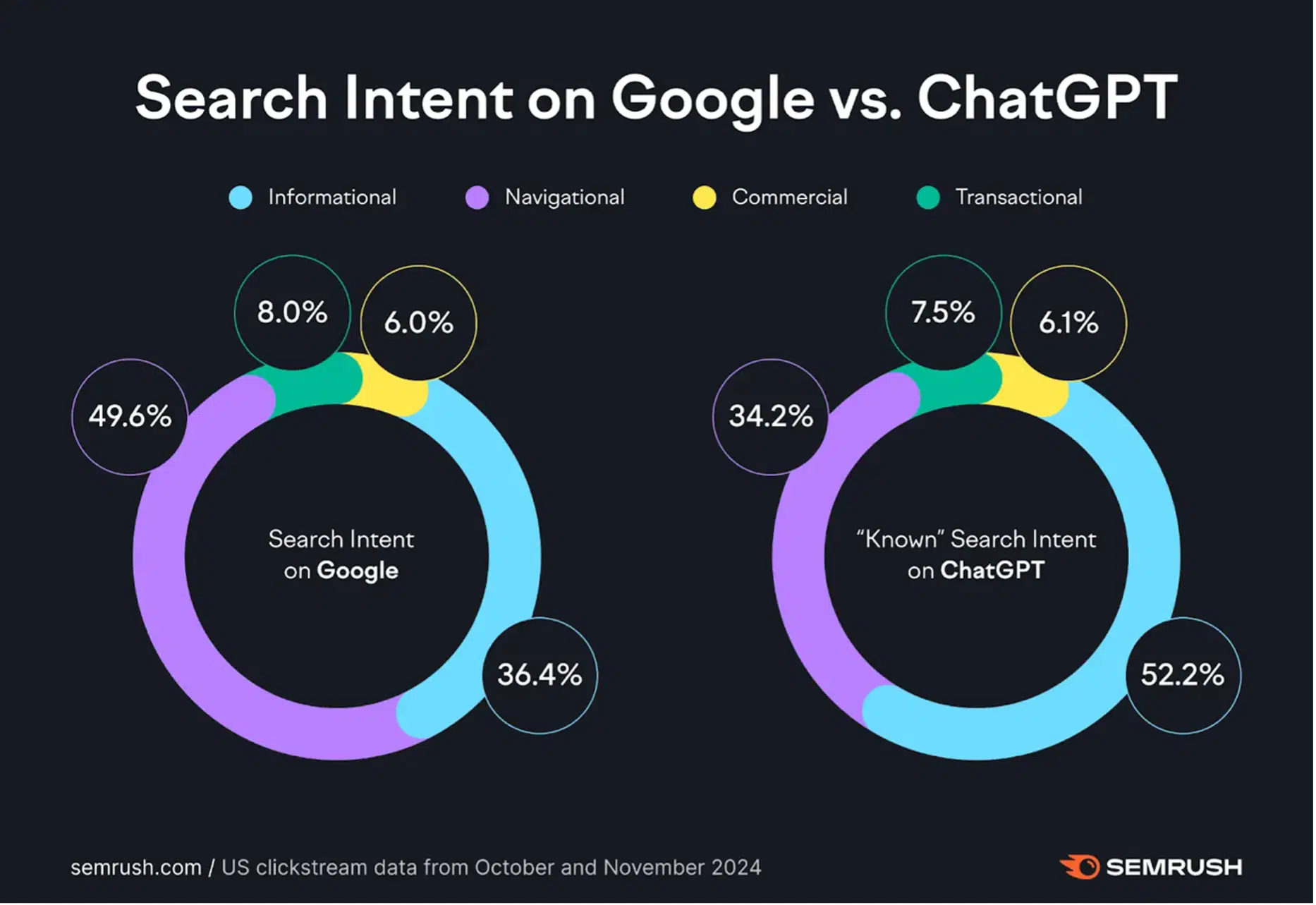
Search engines surface pages. ChatGPT surfaces answers.
That’s not a semantic difference. It’s a completely different job.
A page can rank on Google because the keywords are right, the backlinks exist, and the load time is acceptable. Someone clicks, reads two paragraphs, bounces. The page still worked. It showed up.
With ChatGPT, showing up means something else entirely:
- The model has to find content credible enough to synthesize.
- Specific enough to be useful.
- Structured enough to pull a coherent answer out of.
Technical SEO alone does nothing here.
When ChatGPT browses, which it does by default across a huge share of queries now, it pulls from multiple sources, compares them, looks for consistent claims, and favors content that gives it something clean to work with.
The Real Problem With Most Content
With content these days, nothing lands differently from anything else. You’ll see that:
- The sentences are grammatically fine.
- The information is technically present.
- But every claim gets the same amount of space.
- The first paragraph sounds like the last one.
There’s no weight distribution anywhere, nothing signals that this part matters more than that part.
AI reads flatness and produces flat outputs.
A model is looking for the parts of a piece that are doing real work.
When every sentence is doing equal nothing, there’s nothing to quote. Nothing to bring forward. The content becomes filler, regardless of how accurate it is.
The pieces that get cited have texture.
Specific numbers. Sentences that commit.
A pool care article that says “algae blooms most commonly occur when chlorine drops below 1 ppm, and water temperature exceeds 84°F” is more quotable than one that says “keeping your pool clean requires regular chemical maintenance.”
Answer-First Writing Is Harder to Do Well Than It Sounds
The advice is everywhere: lead with the answer. Put the main claim up front. Give the model a hook.
Fine.
But most people who internalize this start putting a bad summary at the top instead of their previous bad introduction. The problem is whether there’s an actual answer to lead with.
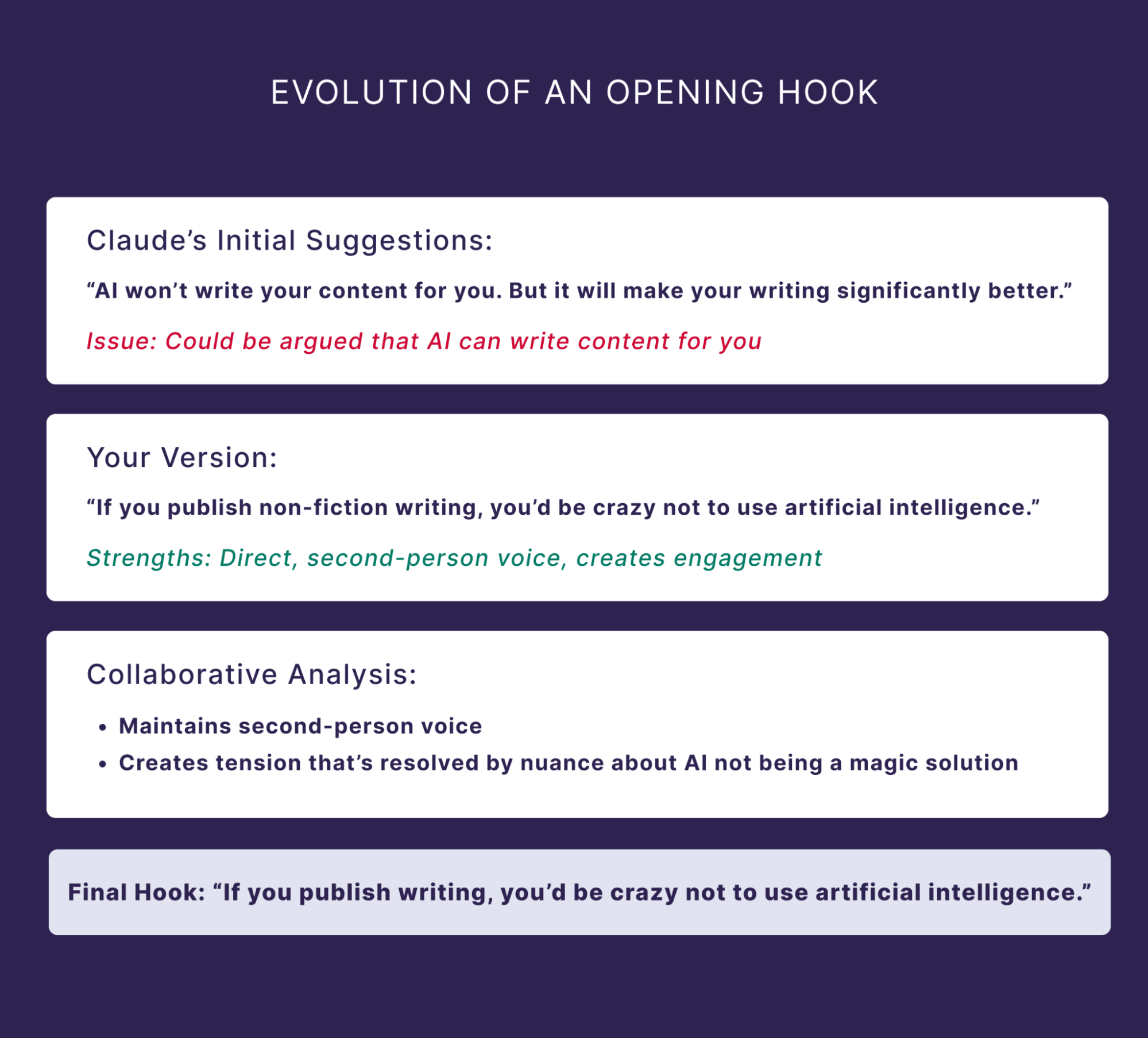
Content that exists to not commit, but to present all sides, qualify every claim, avoid saying anything that could be wrong, gets worse when you push it to the top. The hedging just becomes more visible.
Real answer-first writing requires knowing what the piece is actually for. Not what keyword it’s targeting.
What question does it answer? What is the genuine answer to that question? Does the rest of the piece extend that answer or circle it indefinitely?
Gregor Emmian, founder of Rise, works with clients who’ve learned that motivation-driven approaches to money management tend to collapse under the weight of real life.
Emmian shares, “The content that actually helps people isn’t the kind that gets them excited for two weeks. It’s the kind that they come back to six months later because it still holds up. Sustainable financial planning is a framework, and the writing that serves it has to be just as durable as the advice itself.”
When that’s clear, the structure follows.
Here’s the answer. Here’s why. Here’s when it doesn’t apply. Here’s what people usually get wrong.
A model can follow that logic. So can a human. The goal is to write clearly enough that both get what they need.
Density Is the Variable Nobody Talks About Enough
A 700-word piece that says five precise things outperforms a 2,500-word piece that restates the same general idea eight different ways with subheadings inserted to look thorough.
ChatGPT isn’t hunting for long content. Long content just tends to give it more to work with. That correlation keeps getting mistaken for a rule.
The pieces that get cited most consistently share one quality.
They contain something you can’t find equally well somewhere else. A specific case. A data point with context attached. An explanation of why something works, not just that it works.
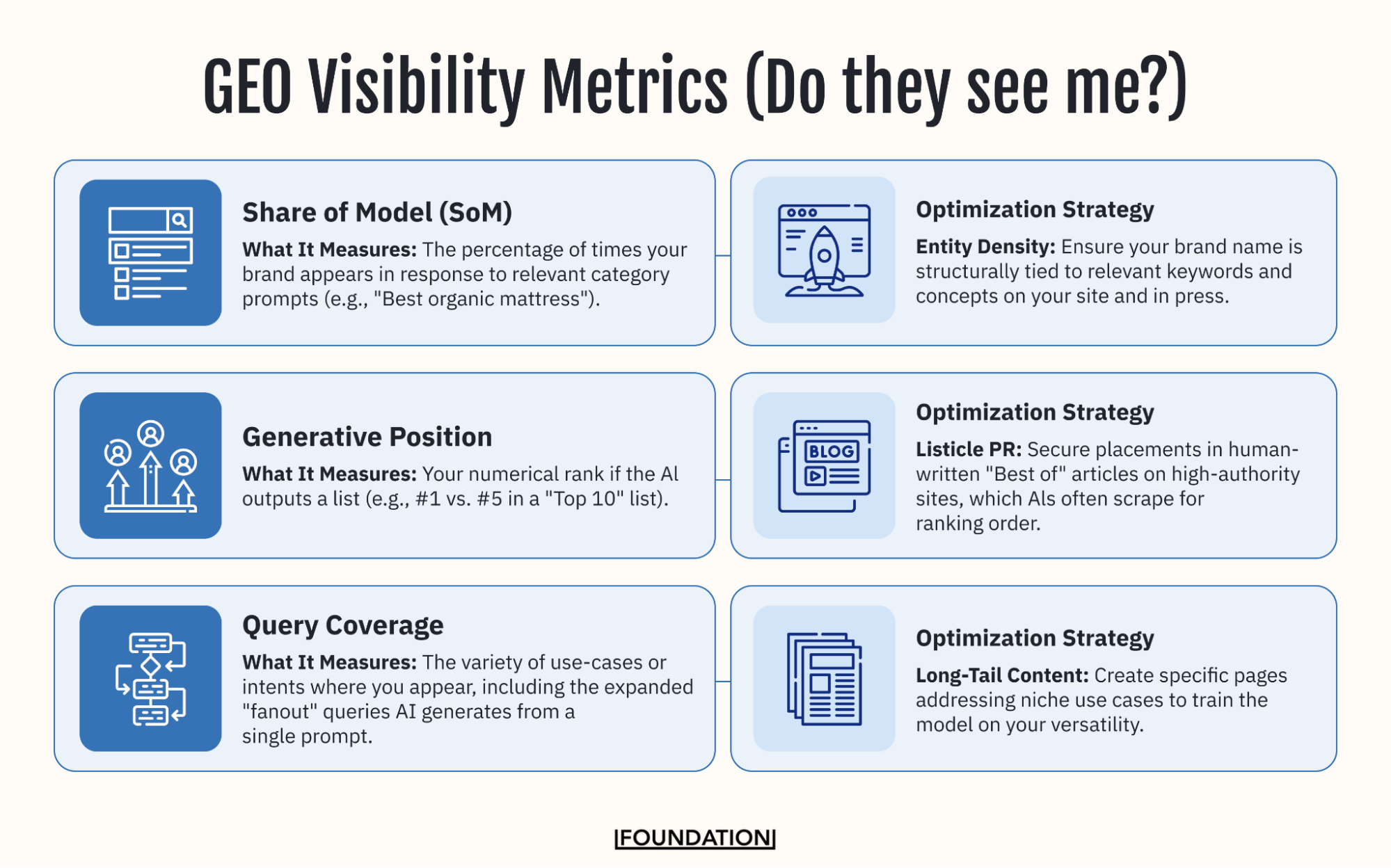
The “why” is where density actually lives. Anyone can write that pool algae stems from insufficient chlorine.
Fewer people explain that algae proliferate when the carbonate system falls out of balance, meaning pH creep matters as much as chlorine levels, sometimes more. That’s a sentence doing ten times more work. It gives a model something real to use.
Denys Hukov, Chief Growth Officer at Yalantis, leads growth for a software engineering firm that builds products for industries where vague recommendations get ignored fast.
Hukov notes, “The content that actually influences our clients is the kind that explains trade-offs, why one architecture holds up under load when another doesn’t, where the edge cases are, what the failure looks like in production.
Generic overviews don’t move the conversation forward. Specificity does, and so does showing the reasoning behind the answer.”
What Structure Actually Means in This Context
Headers and bullet points are symptoms of structure.
Structure in the sense that matters is when the reader, human or model:
- Can tell what the piece is doing at each moment,
- Can follow where it’s going,
- Is never confused about which claim supports which other claim.
Most content moves laterally.
Each paragraph sits next to the previous one instead of downstream from it. The middle sections could be shuffled, and the piece would read essentially the same.
The introduction and conclusion still connect because they were built to, but nothing in between would be missed.
AI systems can’t find the backbone when there isn’t one.
They’ll either skip the content for something cleaner or extract a surface-level summary that misses the actual point, which is almost worse. Because now the piece’s name is attached to something thinner than what was written.
The fix is in sections where each one answers the question the previous section raised.
Explain a mechanism, and the reader wonders what to do with it, the next section answers that. Give a recommendation, and they wonder if it applies to their situation, already covered.
That forward pull is what structure is. Headers just label it.
Authorship Signals Are Not Bureaucratic Formality
Bylines, credentials, publication dates, and links to primary sources read like compliance. In practice, it changes how AI systems weigh content in ways that matter.
These signals function as proxies for verifiability.
A claim made by a named person with a stated background and a link to the underlying data is structurally different from the same claim made anonymously on a page with no citations.
The claim might be identical word-for-word. But one gives a model something to work with when it’s deciding whether to surface this content as reliable.
It’s pattern recognition trained on what trustworthy content looks like.
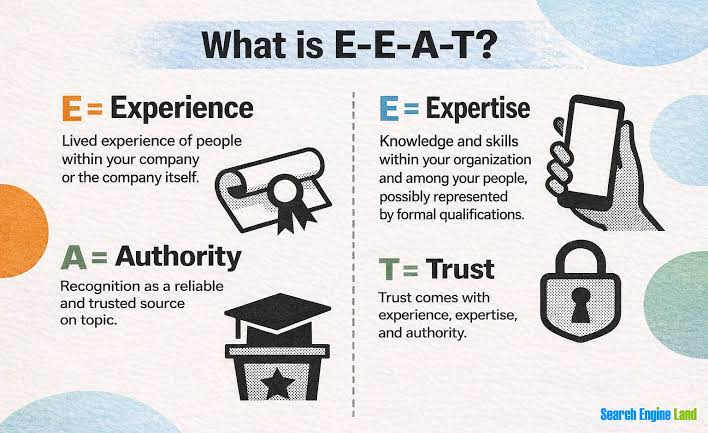
Trustworthy content has signatures: named authors, sourced claims, timestamps, and acknowledgment of uncertainty where it honestly exists. Content without those signals gets treated as background noise, even when it’s correct.
This is especially true in health and wellness, where men exploring options like trt therapy are already doing their own research before they ever speak to a provider.
Content without a named author or a sourced claim gets filtered out, not by an algorithm, but by the reader. A comprehensive FAQ buried at the bottom is worth less than one clearly attributed statement near the top.
A comprehensive FAQ buried at the bottom is worth less than one clearly attributed statement near the top.
Things That Used to Work That Now Work Differently
Keyword density, in the old sense, is dead for this purpose.
Natural language still matters. Writing how people actually ask questions, using the vocabulary of the problem rather than the vocabulary of the category, helps content surface during retrieval.
But hitting a target keyword ratio does nothing.
Internal linking as a trust signal: significantly less relevant.
External citations to primary data: more relevant than they’ve ever been. A piece that cites a specific report with a live link is sending an authority signal. A piece that mostly links to its own site is building navigation, not credibility.
Engagement metrics influencing AI recommendations directly: they don’t.
ChatGPT doesn’t have access to analytics. But engagement and citation are downstream of the same quality. Pages that hold attention get linked to, referenced, and quoted in other pieces. That secondary signal accumulates and does get picked up.
Ryan Beattie, Director of Business Development at UK SARMs, works with an audience of serious fitness consumers who have little patience for content that hedges where it should commit.
Beattie explains, “Our audience can tell within a sentence whether something was written for them or written for an algorithm. When the content is specific, with actual training context, real dosing logic, honest answers about what works and what doesn’t, people share it, reference it, and come back to it.
That kind of engagement doesn’t happen by accident, and it doesn’t happen when the content is trying to please everyone.”
The Failure Mode Nobody Warns You About
Over-structuring for machines until the content reads like a specification document.
This happens. A team decides to optimize for AI citation. FAQ sections get added. Structured data markup. Summary boxes. Clear headers everywhere. The content becomes perfectly parseable and completely inert.
But there’s no voice or commitment. Nothing that makes a person want to finish reading, let alone share it.
Branded merchandise brands that sell custom t-shirts live and die by shareability, and even they know that over-optimized content kills the impulse to pass something along.
Even if you do this, the citation numbers won’t move.
Because AI systems aren’t just looking for parseable content, they’re drawing from content humans have engaged with enough to link to and build on.
Machine-readability is a layer on top of content that already works. It is not a substitute for the content working.
Writing for a specific person with a specific problem first, then making sure the result doesn’t have unnecessary friction for machines to parse. That’s the order that produces results. Reverse it, and the content satisfies no one.
What Freshness Actually Means
Not publishing constantly. Keeping what exists accurate.
An article written two years ago, updated six months ago with a specific note on what changed and why, is fresher in the relevant sense than a new piece rehashing conventional wisdom.
The update signal tells a model that someone is maintaining this content, that the claims have been reviewed, that the page isn’t a static artifact from a moment that’s long past.
Fast-moving fields, like technology, medicine, finance, and anything with regulatory exposure, feel this most acutely. But it applies everywhere.
The answer to ” When should I overseed my lawn?” doesn’t shift much year to year. Whether the recommended seed varieties are still available at scale might. Small things. Worth catching.
For anyone sitting on a library of existing content, the leverage usually isn’t in writing more. It’s in identifying what’s already ranking, finding what’s gone stale, and making it specific again.
The Part That Stays the Same
Everything true about good writing before AI arrived is still true.
Average content got easier to produce. So more of it exists. The signal-to-noise problem got worse. The bar for being worth surfacing went up.
Say something specific. Know more about the topic than makes it onto the page, that surplus changes how sentences sound even when it isn’t used directly.
Creating content that works for both readers and AI systems takes more than good instincts — the right tools help. Writecream uses AI to generate blogs, emails, ad copy, and more, so you can spend less time on the first draft and more time making it specific enough to matter.
Join Writecream for FREE!
In just a few clicks and under 30 seconds, generate cold emails, blog articles, LinkedIn messages, YouTube videos, and more.
It's free, forever!
Leave A Comment
Join Writecream for FREE!
In a few clicks and under 30 seconds, generate cold emails, blog articles, LinkedIn messages, YouTube videos, and more — no credit card required.
Start for FREE